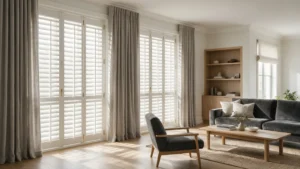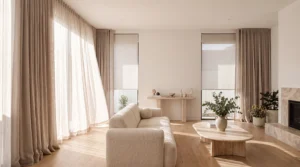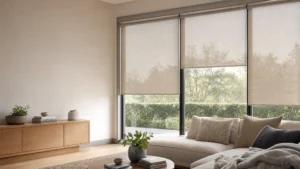
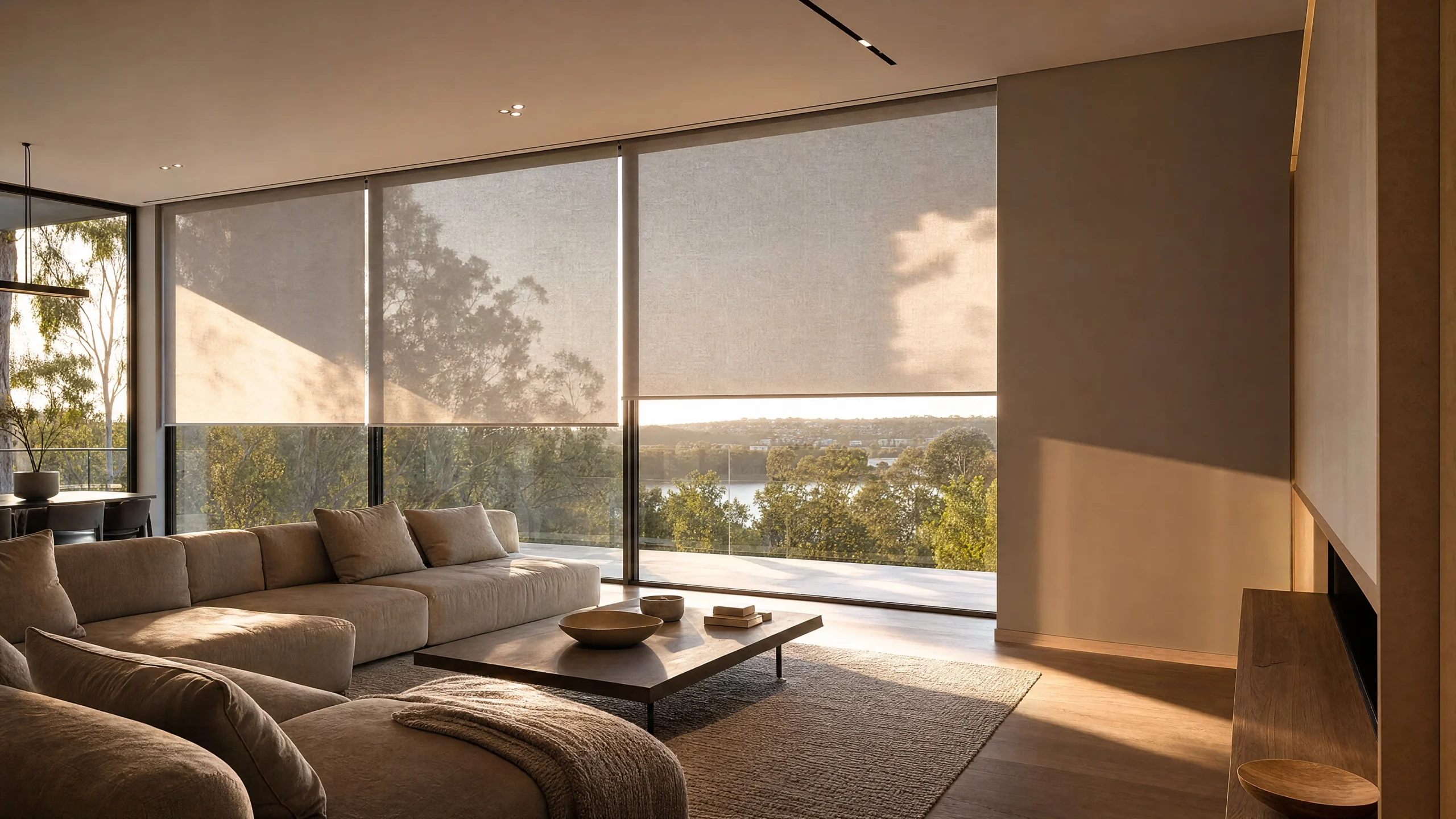
The way a home responds to its occupants is changing. Instead of treating lighting, temperature and window coverings as separate parts of the house, home automation brings them together so they can respond to daily routines and changing conditions. Motorised blinds are becoming an important part of this shift, particularly in homes where natural light, privacy and indoor comfort need to be managed throughout the day.
Think about what happens inside a home as the sun moves. A bedroom may need darkness early in the morning, while a living area benefits from natural light. By afternoon, direct sunlight through large windows can make a room uncomfortable or create glare on screens. In the evening, privacy becomes more important. With automated blinds, these changes can be managed according to the time of day, the position of the sun or the way the room is being used.
This is where the value of integrating electric blinds with home automation becomes clearer. Rather than operating each blind separately, homeowners can create settings that coordinate window coverings with other aspects of the home. A morning routine could raise selected blinds and adjust lighting, while an evening setting could close blinds and create a more private environment.
Another consideration is how much sunlight enters the home. Windows are a major source of both natural light and solar heat. Smart blinds can be adjusted to reduce direct sunlight when necessary while still allowing daylight into the room. This can be particularly useful in Australian homes where strong sunlight can have a noticeable effect on indoor temperatures.
There is also a practical advantage for rooms with windows that are difficult to reach. Motorised window blinds allow those coverings to be controlled without moving furniture, reaching across wide windows or manually adjusting several blinds throughout the house.
The technology does not have to dominate the interior either. Modern smart window treatments can be incorporated into the design of a room while the controls remain discreet. For homeowners considering home automation solutions, this makes automated window coverings a practical addition rather than simply another connected device.
The bigger change is that smart home technology is moving towards coordinated behaviour. Instead of asking whether a blind can be opened from a phone, the more useful question is what the blind can do when it becomes part of the home’s daily routine.
Final Thoughts
Motorised blinds have a role in the future of connected homes because they influence several everyday aspects of living, from daylight and privacy to comfort and convenience. When integrated with a suitable home automation system, they can respond to the rhythm of the household rather than requiring constant manual adjustment. For homeowners planning a smarter home, window coverings deserve consideration alongside lighting, climate control and other home solutions.