A timber deck can look quite different after a few Australian summers. The rich brown colour may turn grey, small cracks can appear along the boards, and some edges may begin to curl. These changes are not always a sign that the deck has failed. Timber responds to the weather, and understanding that process helps homeowners recognise normal ageing and spot problems that need attention.
Sunlight Changes the Surface
Decking exposed to direct sunlight gradually loses its original colour. Ultraviolet radiation breaks down the timber’s surface, causing it to weather and turn grey. Boards facing north or west may receive stronger sun exposure than shaded sections, so the colour change is not always even. A protective oil or coating suited to the timber can help slow this process. It will not stop weathering altogether, and it needs to be maintained according to the product instructions. Before applying a new finish, check whether the boards need cleaning or preparation.
Water Is Often the Bigger Problem
Timber expands as it takes up moisture and contracts as it dries. Repeated wetting and drying can create small surface checks, splits and changes in shape. After a spell of rain followed by hot weather, these movements may become more noticeable.
Warping can also relate to the timber’s moisture content before installation, the way boards were fixed and whether the deck has enough ventilation underneath. If water regularly collects around the boards or supporting frame, deterioration becomes a greater concern.
Leaves and dirt can hold moisture against the surface. Planter pots can do the same when they sit in one place for months. Moving pots occasionally and using drip trays helps reduce damp patches and uneven weathering.
When Should You Be Concerned?
Fine surface cracks may be part of normal timber ageing, but deep splits, soft or spongy timber, loose boards, corroded fixings or noticeable movement deserve closer inspection. These signs can point to a problem beyond appearance.
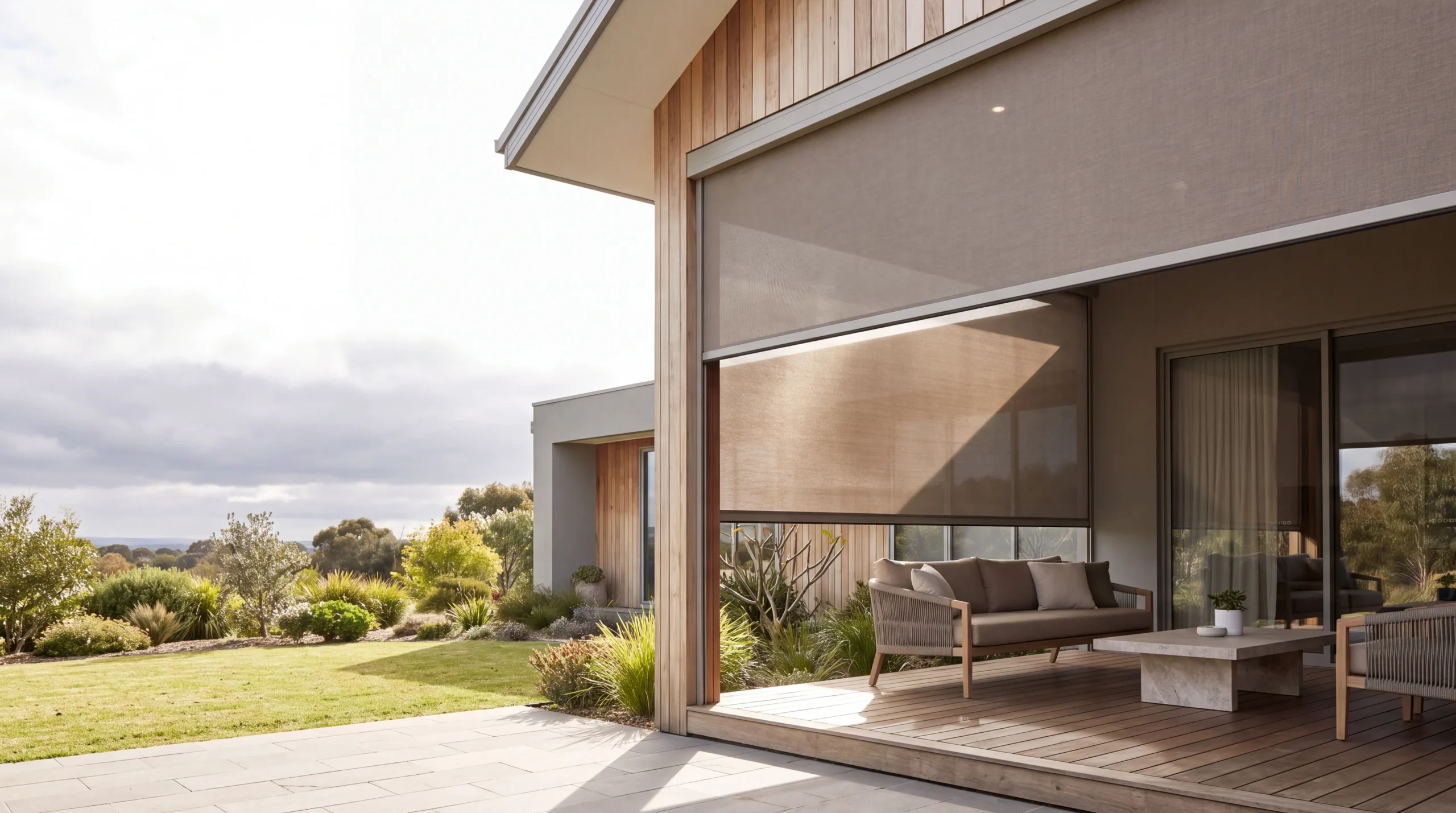
Regular sweeping removes leaves and grit before they build up. Check the deck periodically, especially after wet weather, and follow the recommended maintenance schedule for the timber and finish. Australian government guidance also recommends keeping decks ventilated and preventing water from sitting around the structure. For homeowners planning a new outdoor area, comparing outdoor home solutions can help when considering how decking will fit into the wider space.
Final Thoughts
Fading is usually a surface change, while persistent dampness, serious splitting and movement may indicate a more important issue. Regular cleaning and suitable maintenance help, but the condition of the supporting structure matters just as much as the boards you see.