A small window can be harder to dress than a large one. The wrong curtain can make it look even narrower, while a bulky blind can take up valuable wall space in an already compact room. The better approach is to look at the whole area around the window before choosing a covering.
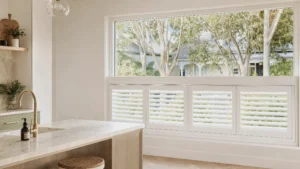
For small rooms, window coverings need to fit the way the space is actually used. A bedroom may need privacy and better light control, while a home office may need glare protection. In a kitchen, an easy-to-clean blind may make more sense than fabric curtains. These details are easy to overlook when choosing a style based only on appearance.
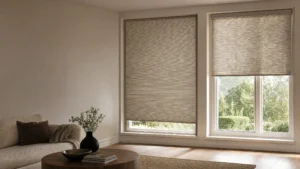
Roller shades are a practical option for small windows. They don’t take up much wall space and can be raised when you want more daylight. Light-filtering shades can work particularly well when you want privacy without making the room feel dark. If the room receives strong sunlight for part of the day, a more substantial shade may be worth considering.
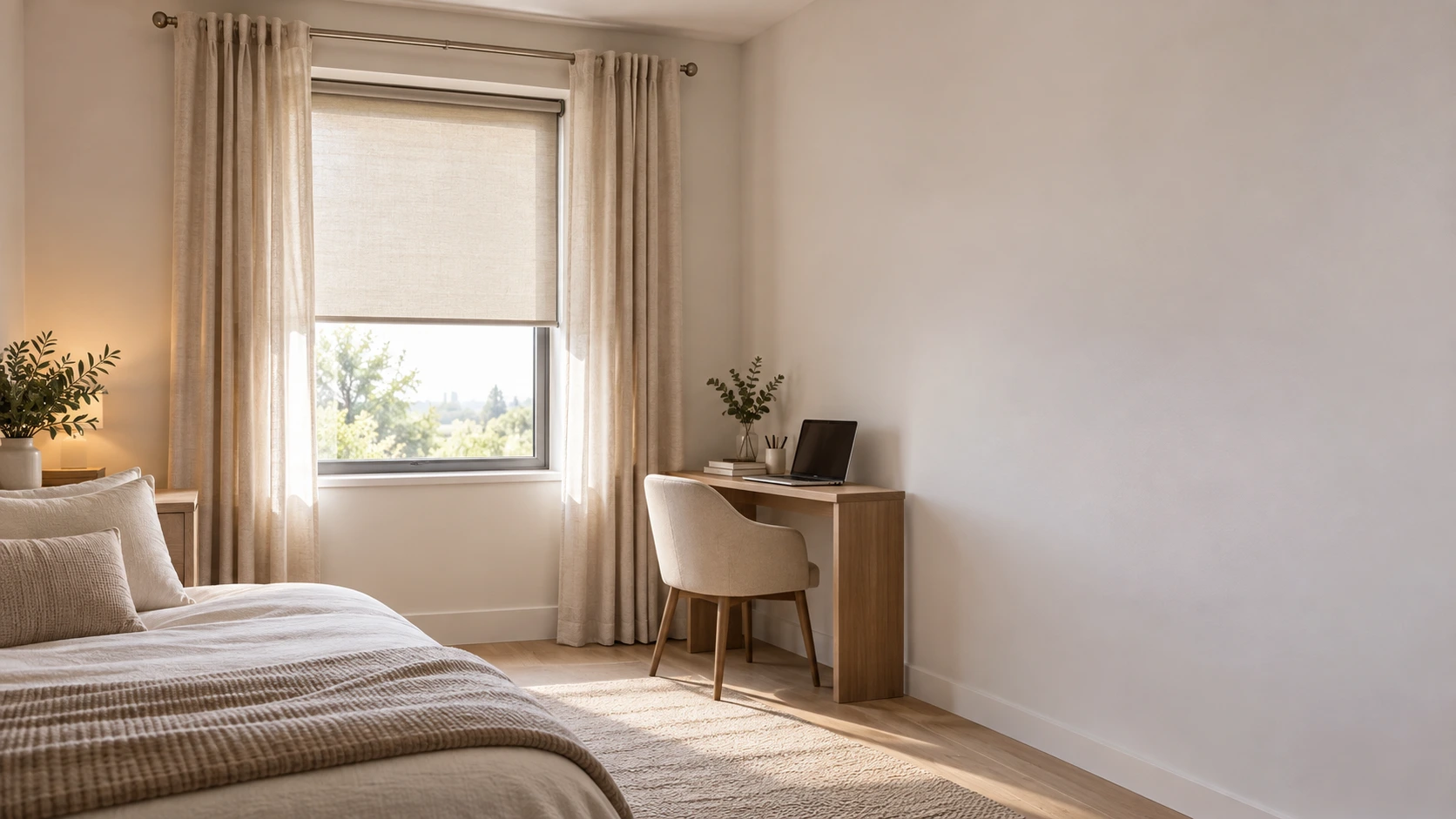
Curtains can work too, especially when you want the window to appear wider. Instead of fitting the curtain rod exactly to the window frame, extend it slightly beyond both sides. When the curtains are open, more of the glass remains visible, and the wall feels less cramped. In a small bedroom or living area, lightweight fabric is usually easier to work with than heavy curtains that gather into a thick stack beside the window.
Colour also plays a part. Soft white, cream, beige, and light grey can keep a compact room feeling bright. You do not have to match the covering perfectly to the wall. A close shade with a little texture can add interest without making the window look like a separate block.
Before buying anything, measure the window and check what surrounds it. A desk, bed, shelf, radiator, or window handle can affect which style works. A compact room does not need an elaborate window covering.
It needs to fit the available space, handle the amount of light coming through, and not compete with everything else in the room. Start with those practical details and the decorative choice becomes much easier.
Final Thoughts
The right window coverings for compact spaces are usually simple, well measured, and suited to the room. A slim blind may work better where space is tight, while a carefully positioned curtain can make a small window feel wider and taller. Consider the window, surrounding furniture, natural light, and privacy before choosing a style. A little planning can make a noticeable difference.