
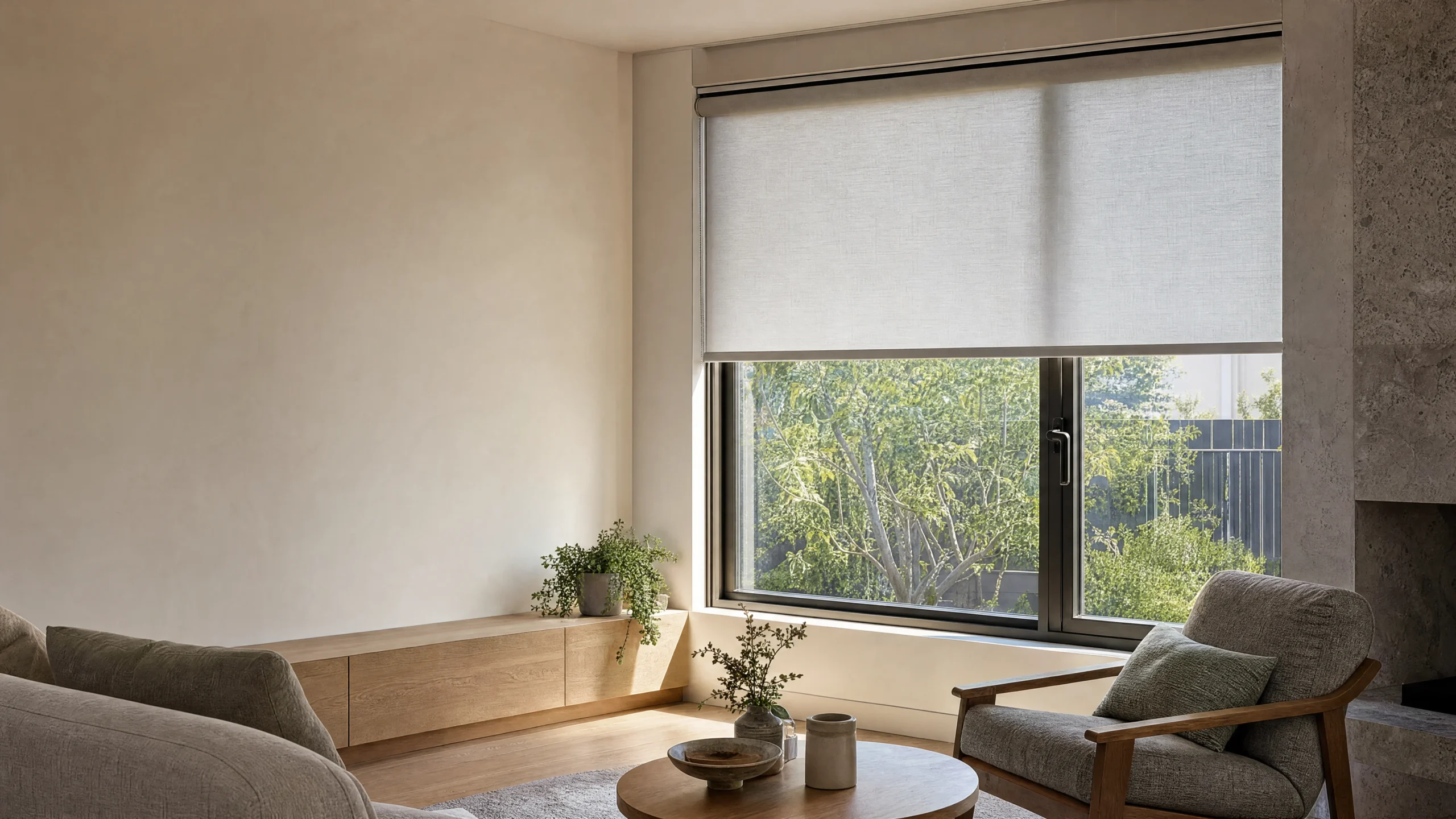
You choose a blind, get it installed, and expect the job to be done. Then you notice the handle catches on it every time you open the window. Or the blind looks great in the afternoon but leaves the room too bright when you are trying to sleep.These are the kinds of problems homeowners usually discover after the decision has already been made. They are also easy to avoid if you think about how you will use the window before choosing the blind.
1. Choosing a blind before checking the window
It is tempting to start with the colour or style you like. But the window itself should come first. Look at the frame, handles, depth of the recess and anything sitting close to it. A window with a large handle needs different consideration from one with a completely clear opening. Checking these details first can save you from choosing a blind that looks good but does not work well in practice.
2. Forgetting about the space around the window
Most people focus on the glass and forget everything around it.
What happens when the blind is raised? Does it interfere with a cupboard? Will it sit behind a door? Is there enough room above the frame for the fittings? These questions become especially important in kitchens, smaller bedrooms and rooms where furniture sits close to the window. A few centimetres can make a surprising difference.
3. Picking one solution for every room
Matching window coverings throughout the home can look neat, but your rooms do not all behave the same way.
The blind that works beside your kitchen sink may not be the one you want in the bedroom. A living room might need daytime glare control, while a bedroom may need more privacy and less morning light. Choosing according to how each room is used usually makes more sense than making every window identical.
4. Ignoring how often you will use the window
Think about a normal Tuesday, not just how the window looks in the finished room. If you open a kitchen window several times a day, the blind needs to stay out of the way. If you rarely touch a bedroom window, that may matter less. Windows behind desks, beds or kitchen benches can also be awkward to operate. The easiest blind to live with is one that fits your daily routine.
5. Thinking about installation too late
A blind can be perfectly suited to the room and still cause frustration if the final fitting has not been properly considered. The position of brackets, the way the blind rolls and the available clearance can all affect how it operates. This is particularly important for larger windows or windows with unusual frames. Sorting out these details before installation is much easier than trying to fix them afterwards.
Final Thoughts
Window blinds are something you interact with every day, so the small details matter. Before choosing one, look beyond the colour and ask a simpler question: will this work comfortably with the way I use this room? Checking the window, surrounding space, daily use and installation requirements first can help you avoid the little problems that become frustrating later.